
Brooke Hipps: Founder of Weekend Will

Super Bowl Sunday always has been a ritual Brooke Hipps looked forward to -- the snacks, the game, the stories, the halftime show and of course, the commercials. The halftime show might be the spectacle, but the commercials are where companies make their multi-million dollar bets to cement themselves in the minds of the American public.
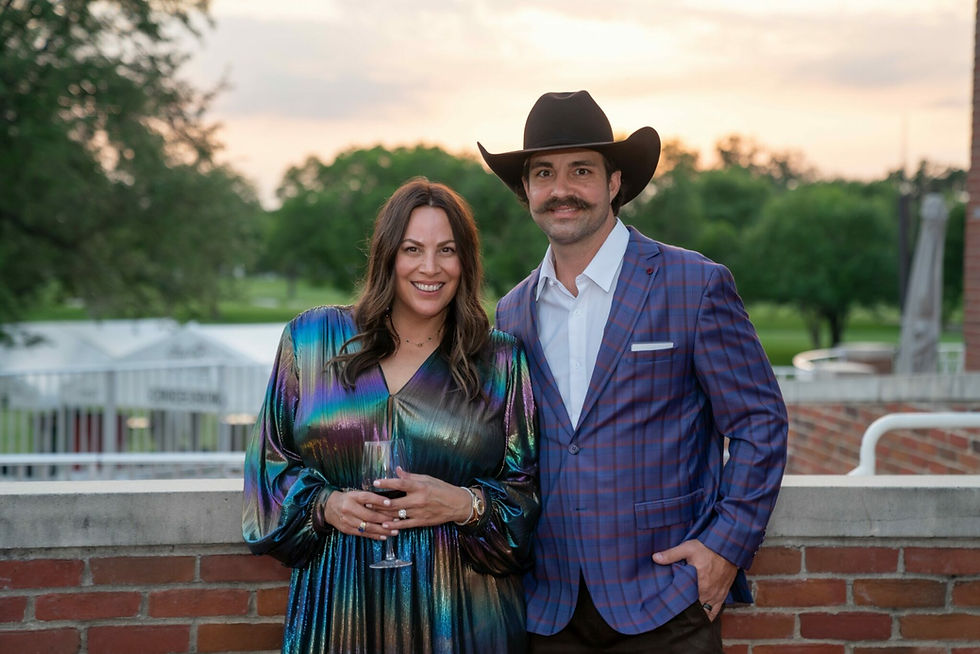
Super Bowl Sunday in 2023 felt no different. Except it was. At the time, Brooke -- co-founder of a construction company and owner of Sundance Square boutique COYOTE -- was working on a TCU Executive MBA assignment and going through a difficult personal experience, which would become the foundation of her next company:
Weekend Will, an estate planning platform designed to make it easy for people to create, manage and continuously update their wills. It felt fresh. Necessary. Untouched. Like standing on the edge of something no one else had quite seen yet.
And then, some time between bites of buffalo dip and kickoff, it happened.

A Super Bowl commercial ... for the exact kind of company she was building. In an instant, what felt like a breakthrough idea turned into a moment of serious doubt like a fourth-quarter upset you didn’t see coming.
Was it over before she even got on the field? No. The existence of competition didn’t mean the idea wasn’t worth building, but she had to do it differently.
Commentary: The Benefit Employers Keep Missing — Estate Planning
Written by Brooke Hipps | Originally posted on Fort Worth Inc.
In the modern workplace, great care is taken to provide for the well-being of employees.
Health insurance is carefully negotiated.
Retirement plans are thoughtfully structured.
Wellness initiatives encourage meditation, step challenges, and occasionally the consumption of kale.
Employers, it seems, are quite devoted to helping their teams live well.
And yet there exists a most curious omission within many otherwise impressive benefits packages. A matter so inevitable, so universally experienced, that one might assume it long ago had been addressed.
Death.
Not the philosophical sort discussed in poetry, mind you, but the rather practical consequences that arrive when an employee loses someone close to them.
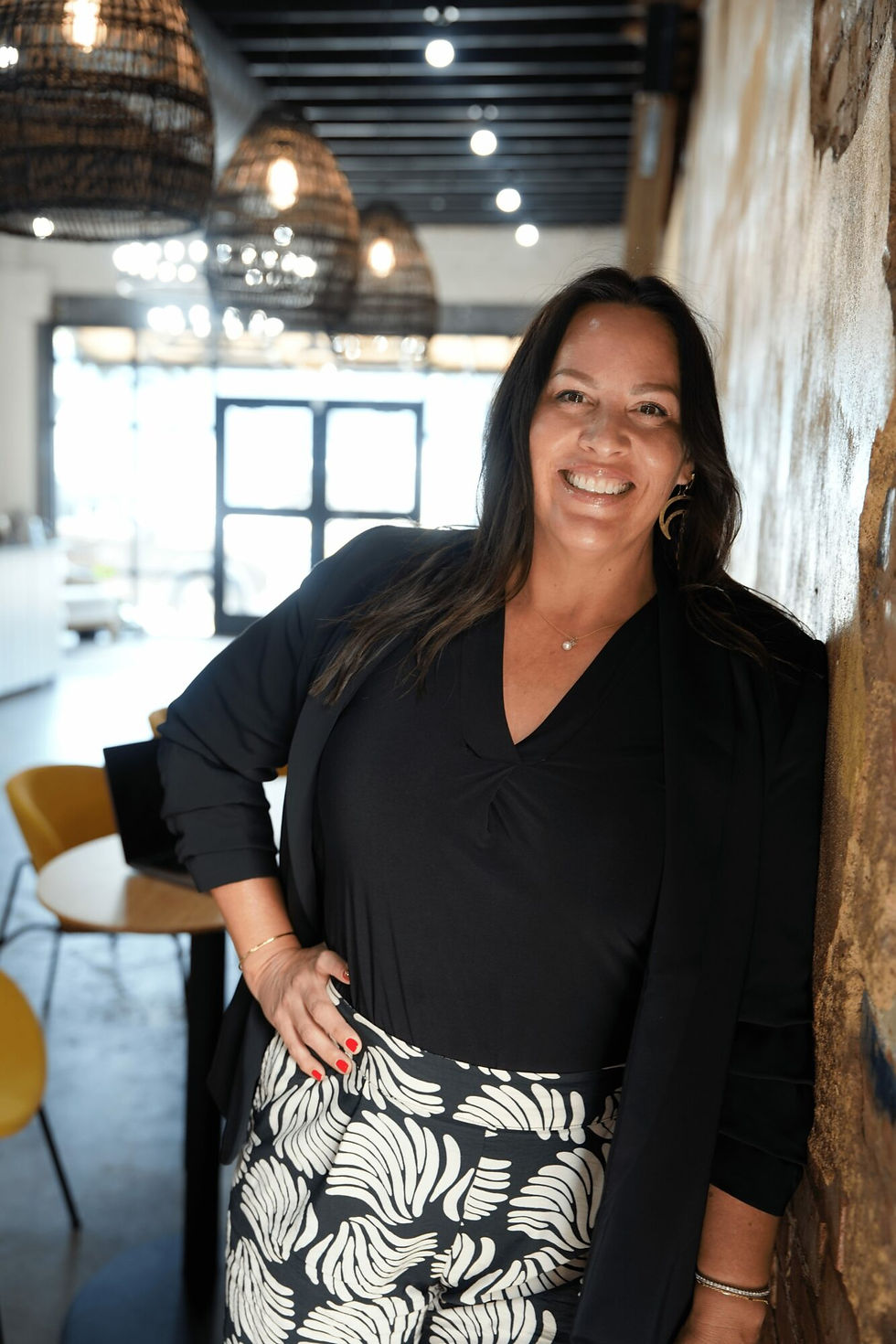
For when such a moment comes — and it inevitably does — the disruption is rarely confined to grief alone.
Employees suddenly find themselves responsible for an astonishing number of administrative tasks: locating documents, coordinating with family, and attempting to interpret wishes that may never have been formally written.
In short, they are tasked with settling an estate.
And should a will be missing — which happens more often than polite society might admit — the situation becomes considerably more complicated.
Executors can spend hundreds of hours managing legal and financial affairs. Court filings must be made. Records must be gathered. Decisions must be negotiated among family members who already are navigating profound emotional strain.
During this time, employees are not simply distracted. They are overwhelmed.
Absences grow longer. Focus disappears. Productivity quietly fades behind duty visits, paperwork, and late-night phone calls.
For employers, the consequences often arrive silently:
Missed deadlines.
Delayed projects.
A team member carrying an invisible administrative burden few workplaces ever anticipated.
And yet this disruption stems from a remarkably simple gap.
Most Americans have not created a will.
One might say the true oversight in modern employee benefits is not a missing gym reimbursement or an outdated wellness seminar, but rather the absence of tools that help employees prepare their families for life’s most certain transition.
A thoughtfully prepared will does more than distribute property.
It creates clarity.
It reduces conflict.
It spares loved ones from unnecessary legal confusion at the worst possible time.
In other words, it protects the very people employees care most about and prevents the administrative chaos that so often follows an unexpected loss.
It is, one might argue, a most practical form of wellness.
And so, as employers continue to refine benefits packages designed to support their people through every stage of life, there remains one small matter worth considering.
Not the fashionable perks that capture headlines, but the quiet protections that spare employees and their families an extraordinary burden. Because the most thoughtful benefits are not always the most visible.
Sometimes, they are simply the ones that ensure order when life becomes most uncertain.
Because clarity, in the end, may be the most thoughtful legacy of all.

Brooke Hipps is the founder of Weekend Will, an online platform for companies to offer as an employee benefit, or to individuals wanting to ensure their wishes are met. She is a member of the TechFW SmartStart incubator program for startup founders looking to build their startup into a thriving business. For more information on the TechFW startup community, visit techfortworth.org.


Comments